Field Notes
Practical notes on systems, governance, and implementation reality.
Short essays, implementation patterns, and working observations from the space between application architecture, cybersecurity governance, and organizational execution.
-

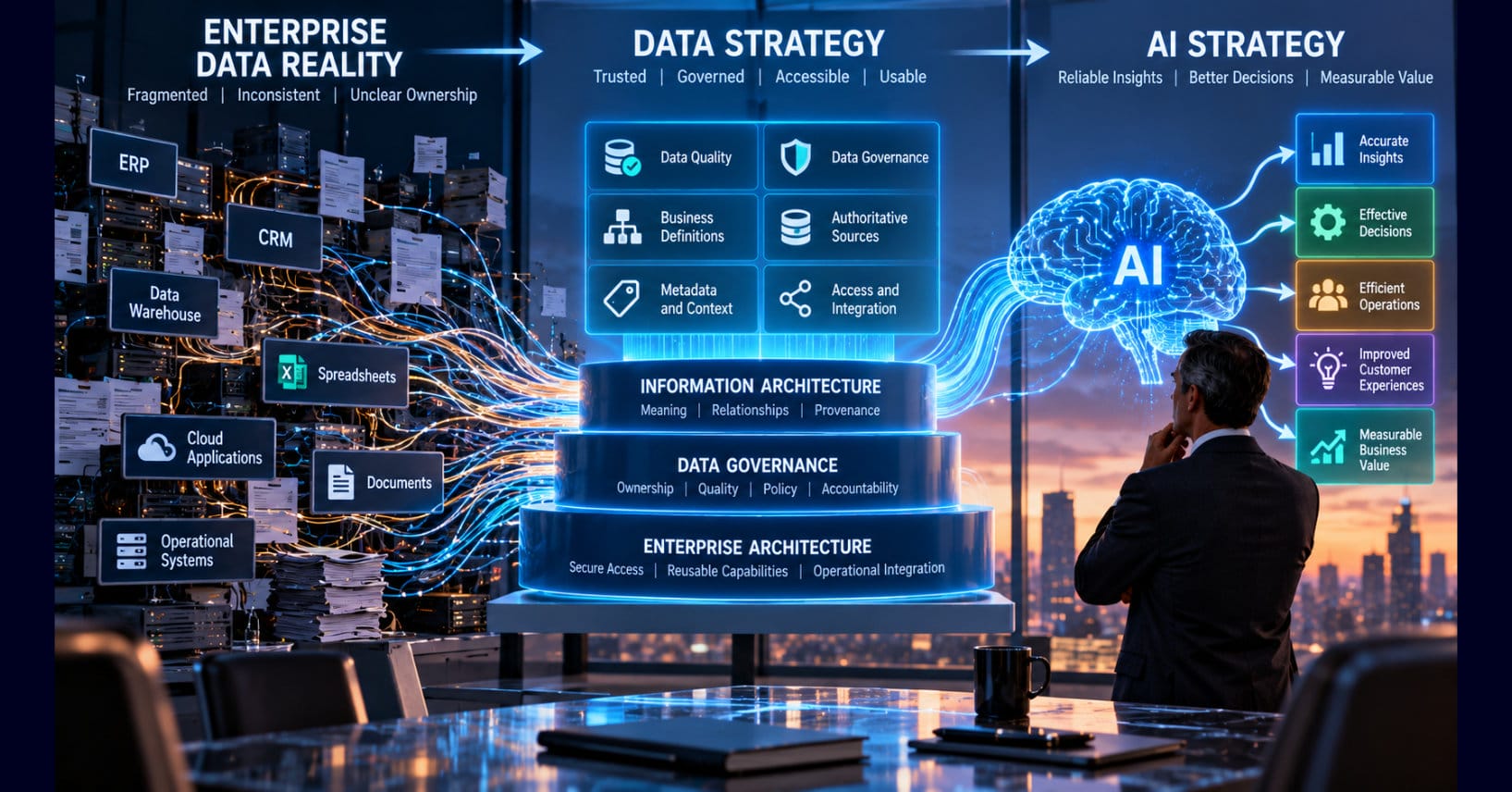
Your AI Strategy Inherits Your Data Strategy
Artificial intelligence inherits the strengths and weaknesses of enterprise data. Discover why data quality, governance, information architecture, and authoritative information sources are essential to building an AI strategy that delivers measurable business value.
-
AI Strategy, Digital Transformation, Enterprise Architecture, Enterprise Technology, Technology Leadership
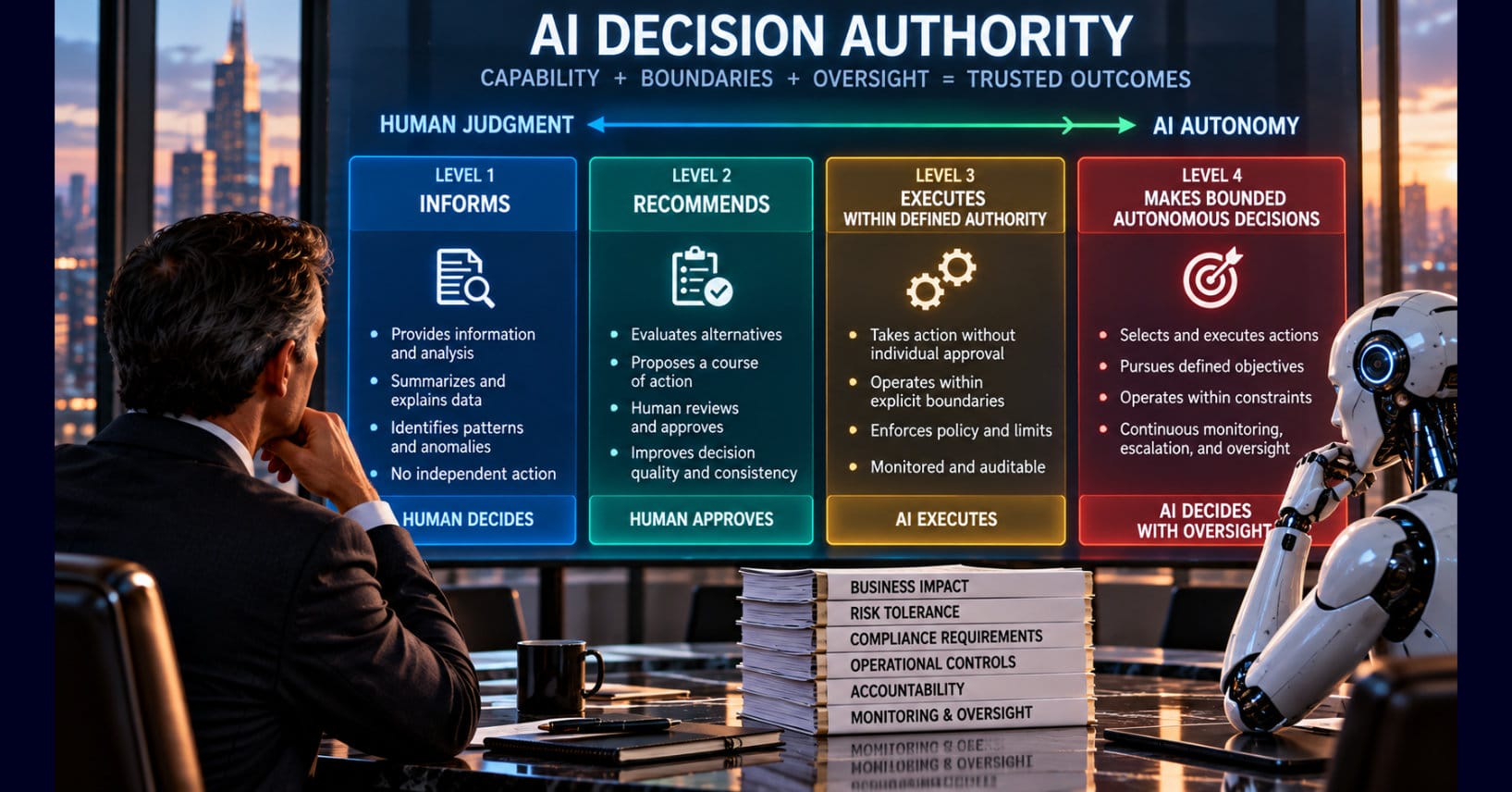
Where Should AI Actually Have Decision Authority?
As AI moves from providing information to executing autonomous decisions, enterprises must define how much authority to delegate. Explore a four-level AI decision authority framework balancing business value, human judgment, operational boundaries, and accountability.
-
AI Strategy, Digital Transformation, Enterprise Architecture, Enterprise Technology, Technology Leadership
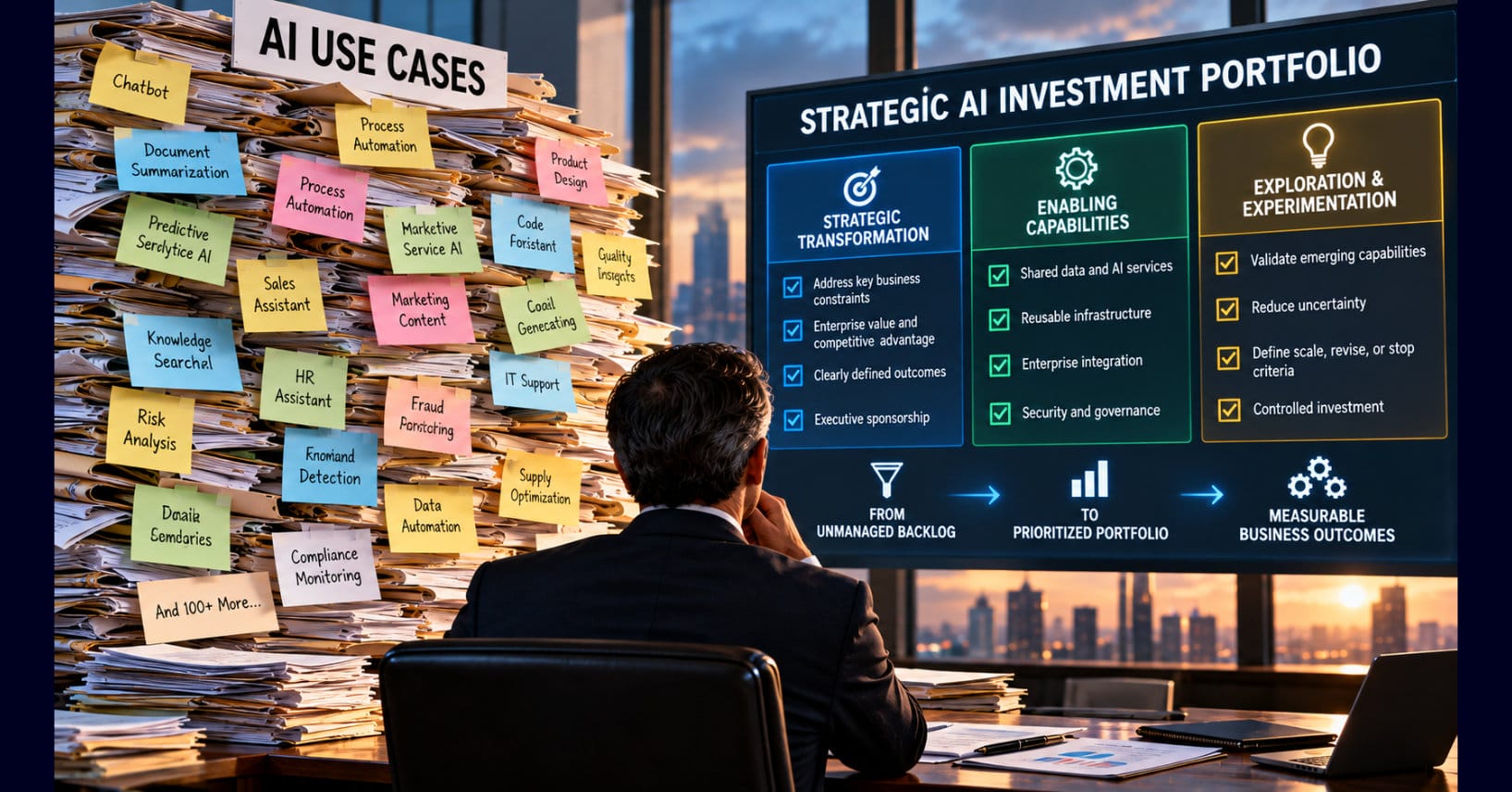
The AI Use-Case Backlog Is Becoming a Strategic Liability.
Enterprise AI use-case backlogs are expanding faster than organizations can execute them. Discover why excessive AI initiatives create strategic fragmentation, architectural complexity, and investment inefficiency—and how disciplined portfolio management turns opportunities into measurable business…
-
BREAKING: PHP2Shell Threatens Millions of Websites. Here’s What Website Owners Need to Do Right Now.
Critical PHP2Shell vulnerabilities threaten WordPress, Drupal, Joomla, Magento, and other PHP-powered websites. Learn how to check your PHP version, install security updates, work with your hosting provider, identify suspicious activity, and protect your website…
-
AI Strategy, Digital Transformation, Enterprise Architecture, Enterprise Technology, Technology Leadership
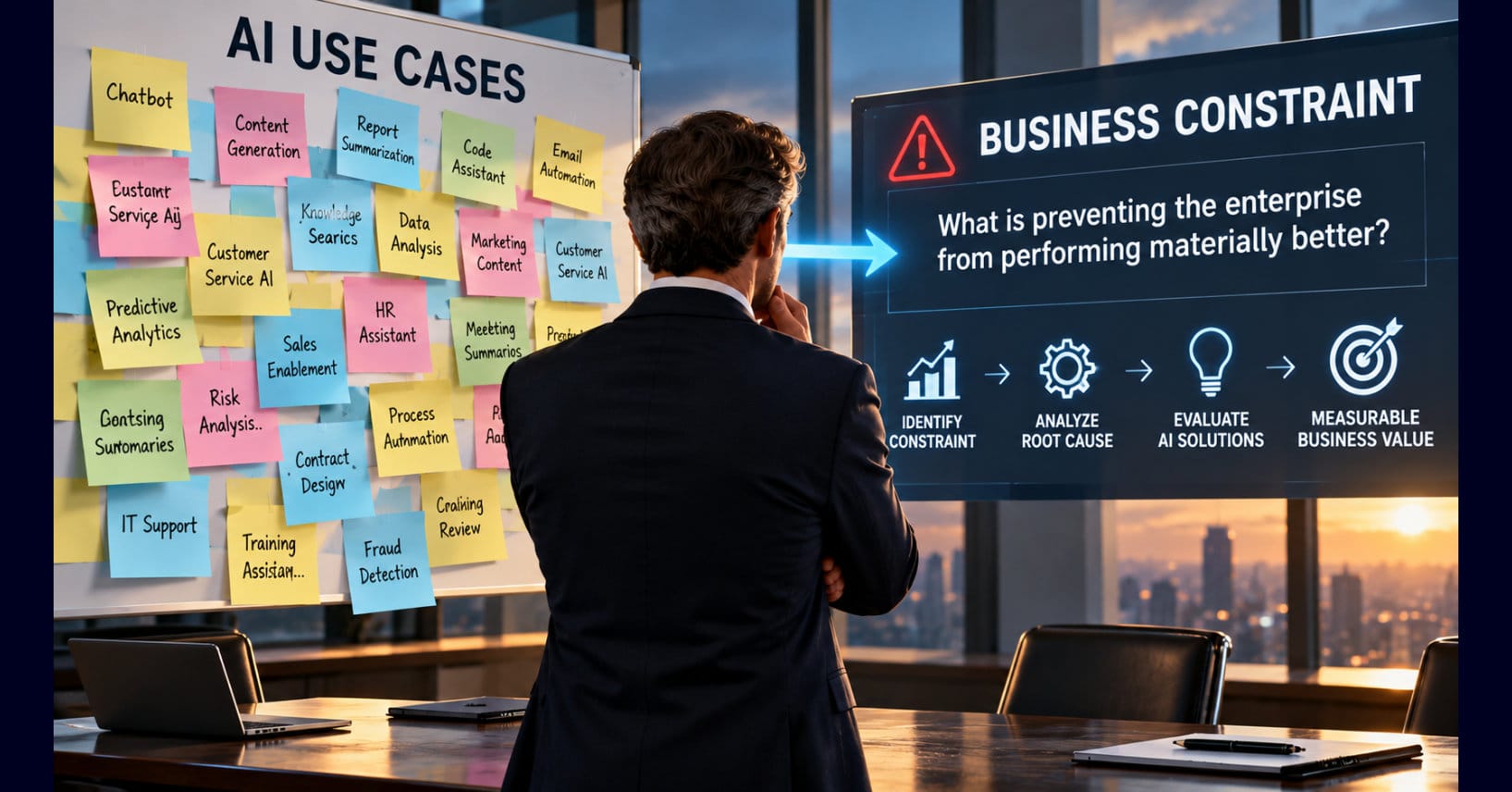
Start With the Business Constraint, Not the AI Use Case
Enterprise AI strategy should begin with business constraints, not lists of potential AI applications. Discover why identifying operational bottlenecks, understanding root causes, and measuring enterprise outcomes produces more valuable AI investments.
-
Your AI Strategy Is Not an AI Roadmap
An AI roadmap tells you what to implement and when. An AI strategy determines where AI can create enterprise value, which capabilities matter, and why the investment deserves to be made.
-
AI Governance, Artificial Intelligence, Data Governance, Enterprise Architecture, Enterprise Governance, Information Governance
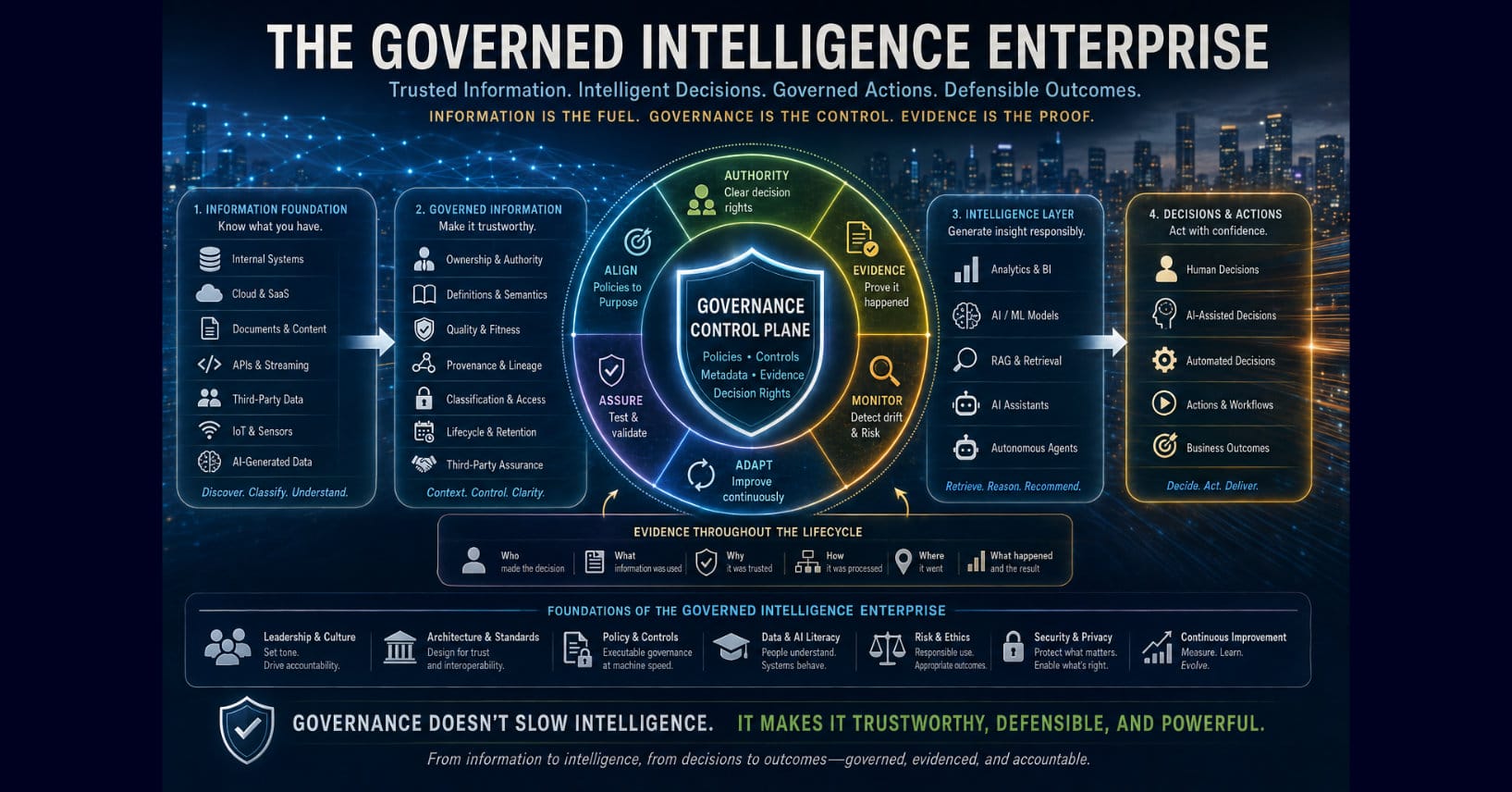
The Governed Intelligence Enterprise
The Governed Intelligence Enterprise connects trusted information, AI, decision authority, actions, and evidence into one accountable system for defensible outcomes.
-
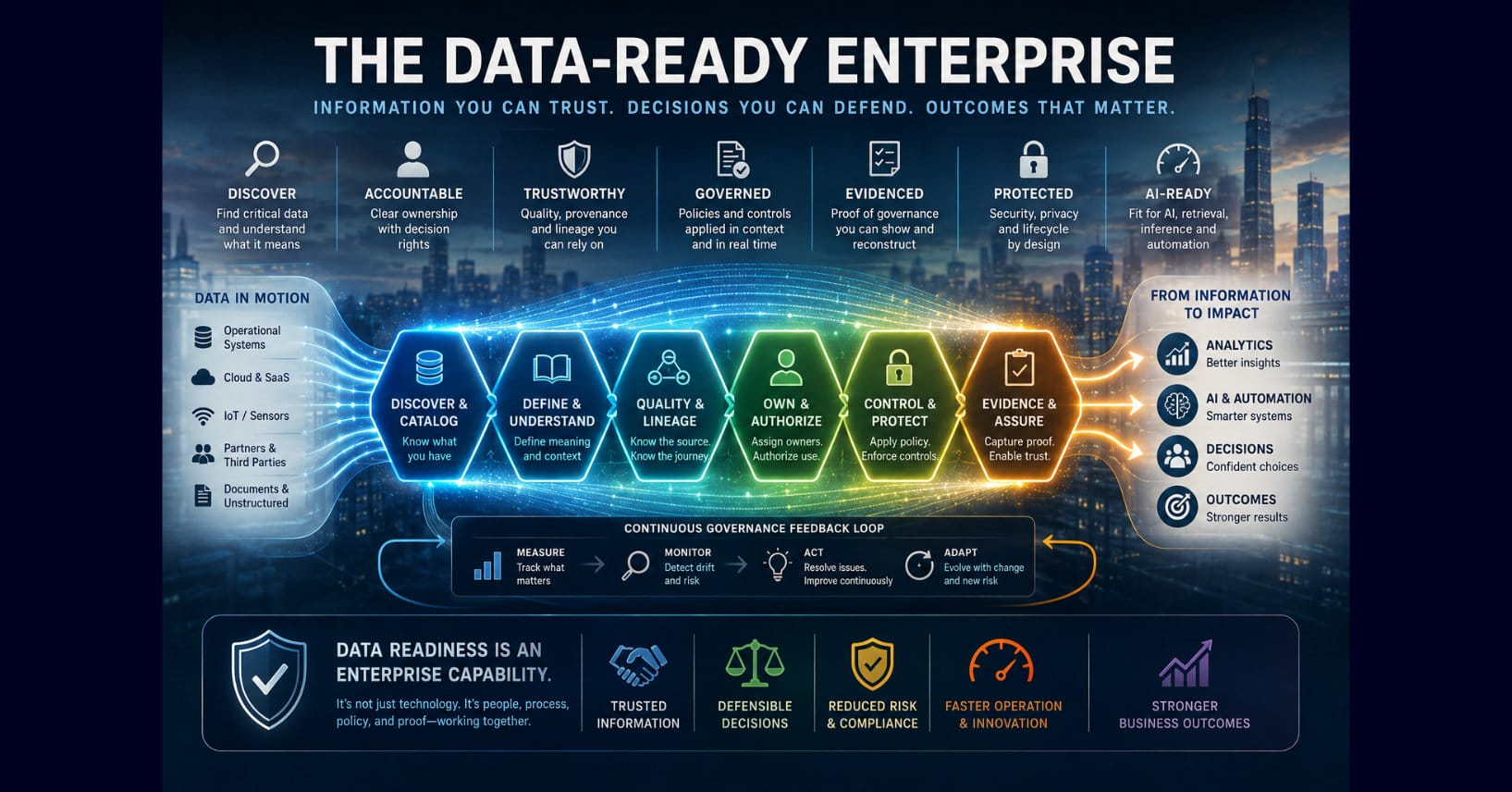
The Data-Ready Enterprise
A data-ready enterprise does more than make information available. It makes data discoverable, trustworthy, governed, evidenced, AI-ready, and dependable for consequential decisions.